How Hearing Loss can affect Two Ears Differently

Hearing Aid Labs

How Hearing Loss can Affect Two Ears Differently

When hearing loss begins to set in, most people will experience at the same rate in both ears. This is because presbycusis, normal age-related loss of hearing, usually affects both ears in the same way.

If your difficulty hearing is more severe in one ear than the other, it could mean a number of things that are often more serious than your usual age-related presbycusis.

Earwax

A build-up of compressed earwax is a very common cause of hearing loss and can also be very painful if left unattended. Compressed earwax can trap bacteria, eventually causing an infection.

Having earwax is very normal and healthy as it also contains good bacteria that keeps your ears healthy. A compression of earwax can be caused by spending time in the ocean or pushing an earbud too far into your ear.

If you expect that you are experiencing a build-up of earwax, ensure that you go to your physician or hearing specialist as soon as possible.

Infection

If you are experiencing severe pain alongside your difficulty hearing, an ear infection may be to blame.
Otitis media is a very common type of ear infection, which affects the middle ear, and is quite common in children although adults can still experience it too.

Untreated ear infections can lead to permanent hearing loss and should be taken very seriously.

Tumours

Tumours are not very common, but they can definitely be a cause for single-sided hearing loss and should definitely not be ruled out. Benign tumours, called acoustic neuromas, are the most common type, and damage the nerve endings leading to the brain.

The damage these types of tumours cause, can be devastating, and the sooner they are found the better. Tumours can also cause dizziness and nausea on top of difficulty hearing.

Experiencing hearing loss in one or both ears? Why not book a free screen test at one of our countrywide branches? Our team at Hearing Aid Labs are absolute professionals, and are passionate about helping you to maintain and improve your hearing!

Article by: Hearing Aid Labs
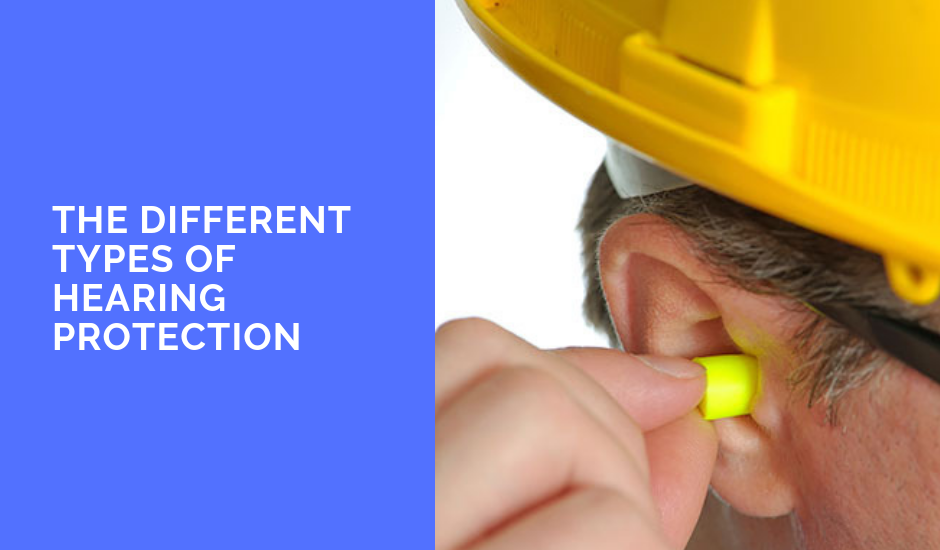
The different types of hearing protection

Hearing Protection

The different types of hearing protection

Hearing loss that has been induced by noise can be easily prevented with the right ear protection. Hearing loss that results from excessive noise, is usually brought about when the tiny hairs in your ear canal sustain permanent damage. These small hairs are the ones charged with the responsibility of picking up sound waves and once they are damaged permanently, they cannot be restored or repaired. Therefore, investing in proper ear protection is vital, especially if you operate in a noisy environment on a regular basis.

Types of ear protection

There are many various types of hearing protection, each with their distinct benefits. The purpose of any ear protection is to reduce the effect of a noisy environment so that the risk of noise-induced hearing loss can be reduced. Types of ear protection include:

Foam earplugs

Foam earplugs are inexpensive and they are ideal for use in factories or noisy construction sites. Although foam plugs can offer sufficient protection, they have a higher chance of irritating the ear, especially if the foam is made from inexpensive material. Foam earplugs should always be inserted using clean hands to reduce the risk of developing external ear infections.

Wax balls

Wax balls are designed to completely seal off your hearing so that you can be protected from the interference of the outside world. When purchased, it is best to use wax balls just once to get the most value from them.

Earmuffs

Earmuffs come in a range of shapes, designs, and sizes so your choice will be based on your preference. Earmuffs are some of the most commonly used types of ear protection because they are easily accessible and are easy to fit. Earmuffs do not need to be specially designed- all you have to do is secure them over the head. Ear muffs are great for irregular use such as when doing landscaping work at home. Ear muffs are also used regularly in cold climates because they offer hearing protection and warmth at the same time.

Silicon plugs

Silicon plugs resemble foam plugs closely but they are usually a lot more comfortable to wear in comparison owing to the softness of the silicon material. Silicon plugs can only be used to cover the auditory canal and they may not be inserted completely into the ear.

Earplugs

Ear plugs are the most common types of ear protection worn today. Earplugs are designed to fit directly into your ear canal, which means that they offer a higher level of protection compared to most varieties. If you work in a very noisy environment, then you should definitely invest earplugs.

Article By: Hearing Aid Labs